Home renovation cost in Australia usually starts around AUD 20,000 to 60,000 for a light cosmetic refresh, AUD 50,000 to 150,000 for a focused partial renovation, and AUD 150,000 to 500,000+ for a larger full-house renovation. A major remodel with structural work, extensions, new services or high-end finishes can move well above that.
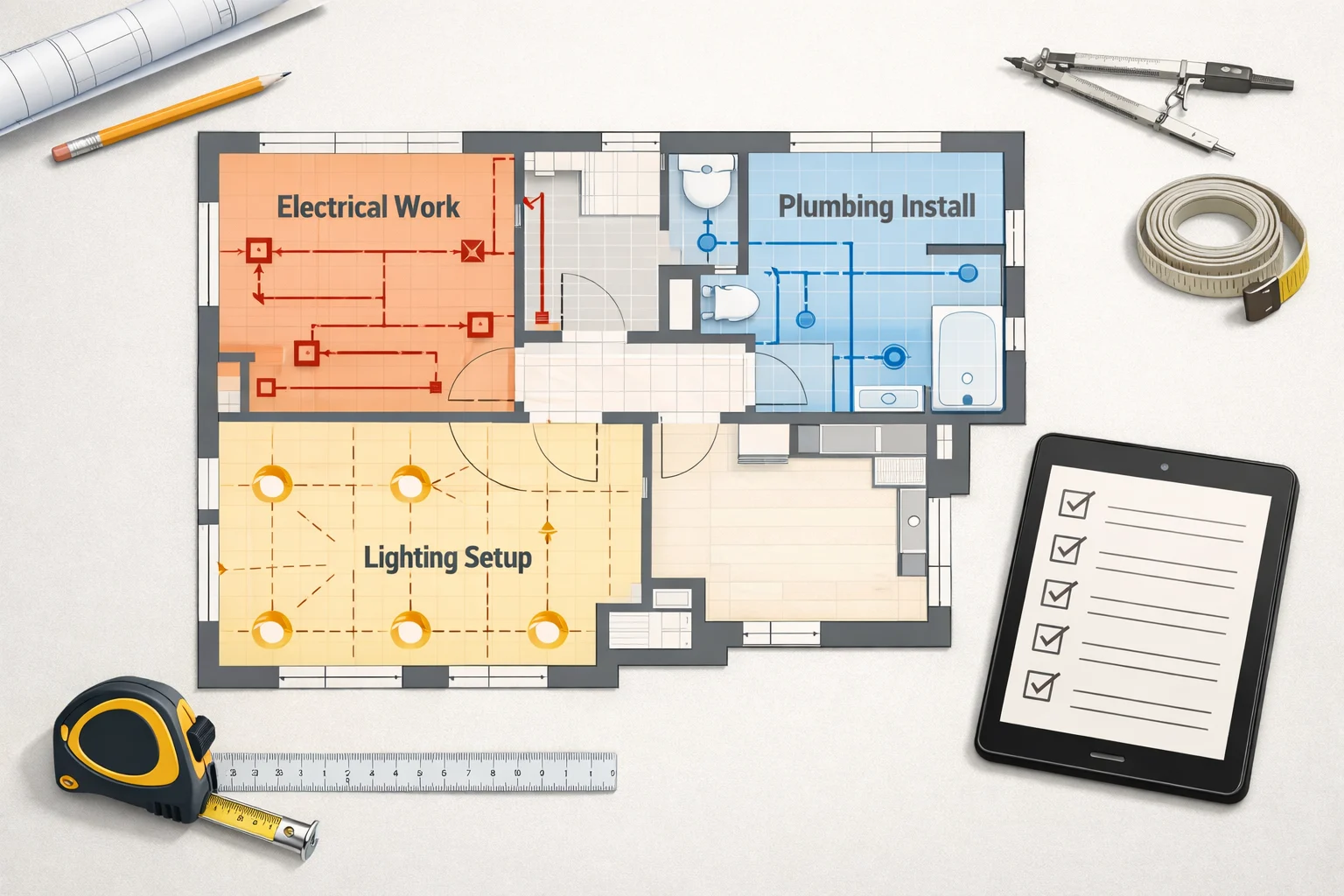
Those ranges are broad because the phrase house renovation cost can mean anything from paint and flooring to a full strip-out with new kitchen, bathrooms, electrical, plumbing and layout changes. If you are comparing search results for home renovation cost Australia, house renovation cost Australia or renovation of house cost, treat them as the same budgeting question: what is included, what is excluded and what could change once work starts. For an early estimate, it is more useful to split the project by scope, floor area, wet rooms, structural work and trade complexity than to rely on one national average.
If you are still shaping the work, start with the home renovation guide, use the renovation cost calculator for a first-pass budget, and keep the renovation planning checklist open while you collect quotes.
How Much Does a Home Renovation Cost in Australia?
Use the ranges below as planning bands, not quote replacements. They assume Australian dollars and professionally coordinated work. GST, design fees, permits, engineering, certifier costs, finance costs and contingency may be included or excluded depending on how a builder writes the quote, so always check the inclusions line by line.
| Project level | Typical planning range (AUD) | What it usually includes | Main risk |
|---|---|---|---|
| Cosmetic refresh | AUD 20,000 to 60,000 | Painting, flooring, lighting, hardware, surface repairs, basic landscaping and small trade visits | Scope creep once tired surfaces are opened up |
| Partial renovation | AUD 50,000 to 150,000 | One or two rooms, kitchen or bathroom work, new finishes and moderate plumbing or electrical updates | Underestimating trade sequencing and temporary protection |
| Standard full-house renovation | AUD 150,000 to 350,000 | Kitchen, bathroom, living areas, bedrooms, new finishes and some services upgrades | Hidden defects, older wiring, plumbing and uneven subfloors |
| Major structural renovation | AUD 300,000 to 600,000+ | Layout changes, wall removal, engineering, new windows, deeper services work and premium coordination | Engineering, approvals, structural surprises and longer build time |
| Extension or second-storey work | AUD 200,000 to 700,000+ | New floor area, foundations or structural reinforcement, roof work, cladding, services and internal fit-out | Site access, planning constraints, weather exposure and structural tie-in costs |
Current Australian cost guides are not perfectly aligned, but they point in the same direction: small cosmetic projects can stay modest, while large home renovation projects commonly reach six figures. National trade guides put large renovation projects around AUD 100,000 to 300,000 or more, while 2026 metro guides often place mid-range full-house work closer to AUD 200,000 to 500,000 once kitchen, bathroom, services and builder margin are included.
Cost per Square Metre
Cost per square metre is useful when you need a quick reality check. It is less useful once you start moving walls, adding bathrooms or changing roof lines, because high-cost rooms and structural work do not scale neatly with floor area.
| Renovation type | Planning range per m2 | Best used for |
|---|---|---|
| Light cosmetic work | AUD 2,000 to 2,800 per m2 | Surface updates across existing rooms without major services changes |
| Mid-range renovation | AUD 2,800 to 4,500 per m2 | Whole-home work with kitchen, bathroom, flooring, painting and moderate trade upgrades |
| Premium or complex renovation | AUD 5,000 to 7,500+ per m2 | Architect-designed work, structural changes, premium finishes and difficult access |
| Extensions | AUD 3,500 to 7,000+ per m2 | New floor area, especially where the existing building must be reinforced or tied in carefully |
For example, renovating 80 m2 of an older suburban house at a mid-range level might suggest a rough build budget of AUD 224,000 to 360,000 before you add design, approvals and contingency. But if that same scope includes two bathrooms, a kitchen relocation and structural wall removal, the total can quickly move beyond the simple area calculation.
What Drives the House Renovation Price?
The visible finish level matters, but the biggest budget swings often sit behind the walls or inside the sequence of work. Two quotes can look different because one builder allowed properly for site protection, waterproofing, waste, temporary services and certification while another left those items as exclusions.
Scope and layout changes
Keeping the existing layout is usually the most effective way to control a renovation home cost. Moving a kitchen, bathroom or laundry can trigger new plumbing, drainage, electrical work, flooring repairs, waterproofing, wall patching and approvals. A layout change may still be worthwhile, but it needs to be priced as a technical change, not just a design preference.
Wet areas
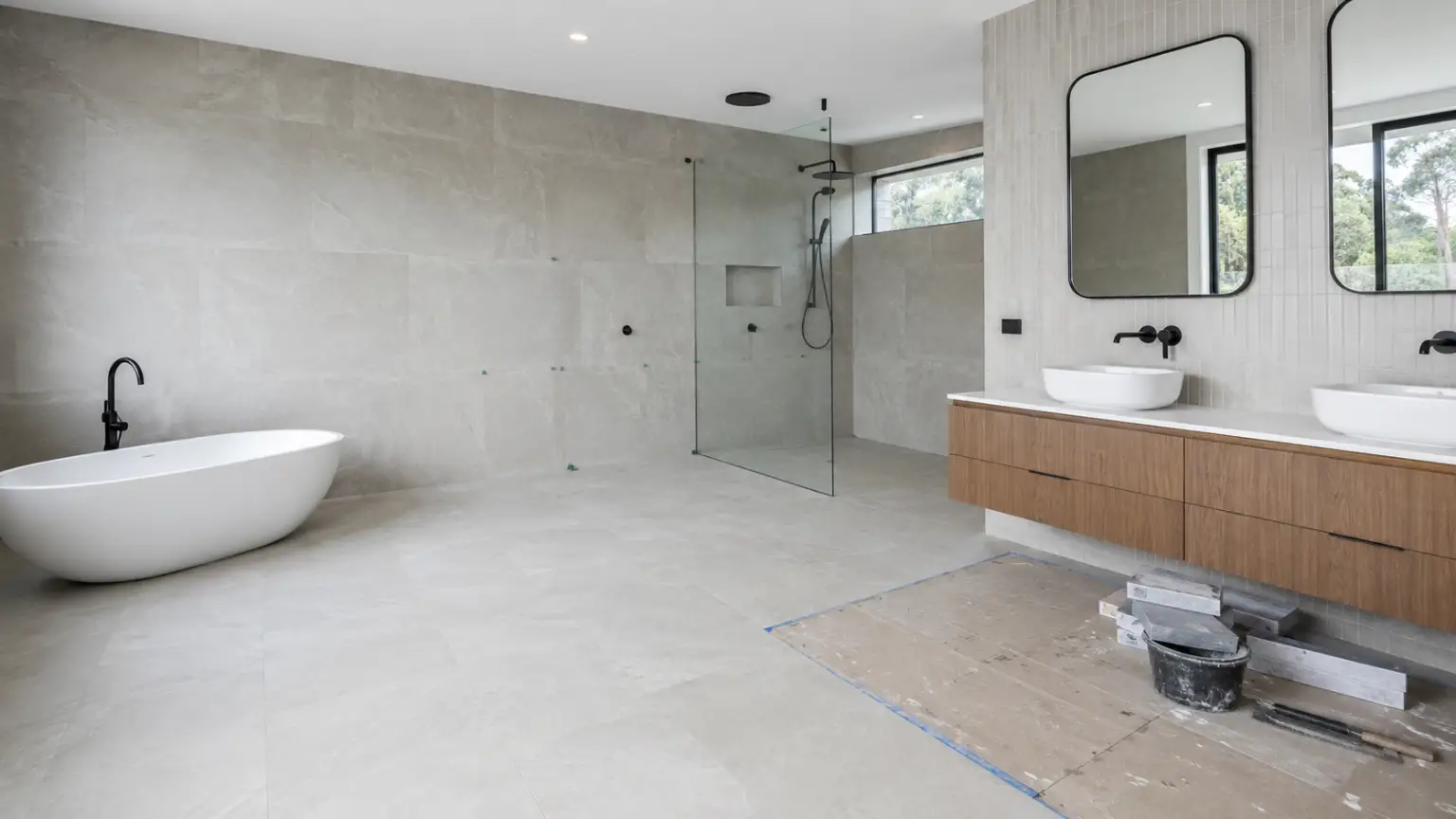
Bathrooms, ensuites, laundries and kitchens carry a higher cost density than bedrooms or living rooms. Waterproofing, tiling, plumbing, ventilation, cabinetry and fixtures all need trade coordination. A house with two tired bathrooms can cost much more to renovate than a similar-sized house where most of the work is paint, flooring and joinery.
Age and condition of the home
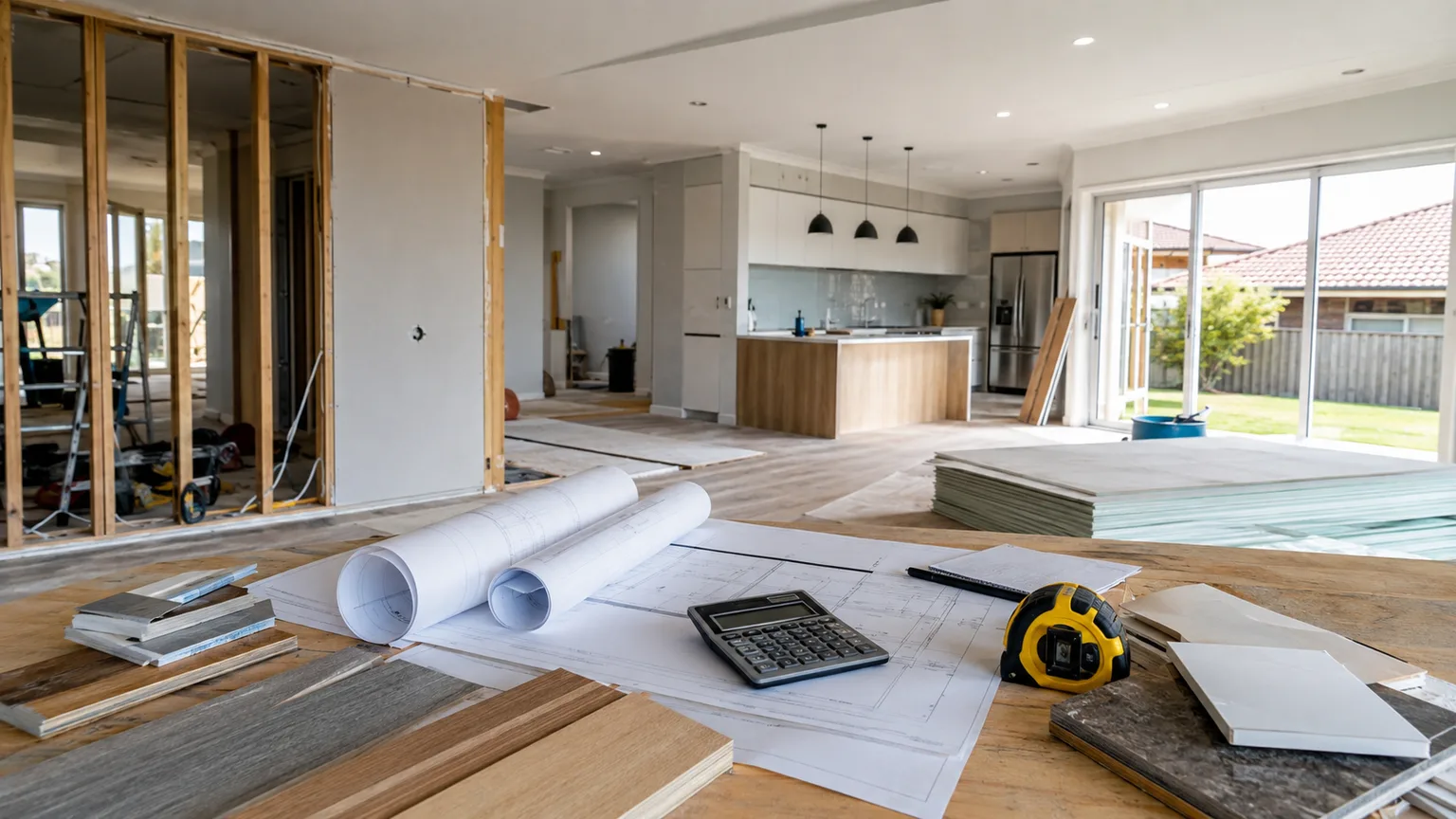
Older Australian homes can hide uneven framing, old wiring, failing drainage, termite damage, asbestos-containing materials, moisture damage or non-compliant previous work. The risk is not that every old home is a problem; the risk is that the true condition is often unknown until demolition begins.
Labour availability and location
Sydney and inner Melbourne often price differently from Adelaide, Perth or many regional areas, but regional projects are not automatically cheaper. Travel time, limited trade availability, freight, bushfire-zone requirements, cyclone-region detailing and remote access can all push costs up.
Finish level
Cabinetry, stone or porcelain benchtops, large-format tiles, engineered timber flooring, custom windows, premium tapware and integrated appliances can change the budget fast. The expensive part is often the installed cost, not just the shelf price of the product.
Budget Breakdown by Category
A good renovation budget separates the work into categories that can be compared across quotes. This makes it easier to spot missing items before you sign a contract.
| Budget category | Typical share | What to check |
|---|---|---|
| Labour and trade coordination | Often the largest share | Builder supervision, subcontractors, call-out assumptions, overtime and return visits |
| Materials and fixtures | Varies heavily | Allowance amounts, brand assumptions, lead times, delivery and wastage |
| Design, engineering and approvals | Commonly 8% to 15% on larger jobs | Architect or designer, structural engineer, surveyor, certifier, energy reports and council fees |
| Site costs and logistics | Easy to underestimate | Skip bins, dust protection, temporary fencing, parking, scaffold, storage and cleaning |
| Contingency | 10% to 20% or more | Hidden damage, variations, price movement and discoveries after demolition |
Room-by-Room Cost Signals
A whole-home number becomes more reliable when you price the rooms that carry the most risk first. Bedrooms and living spaces are usually easier to estimate. Kitchens, bathrooms and structural changes need more care.
Kitchen renovation
A budget kitchen refresh may start around AUD 15,000 if the layout stays fixed and flat-pack or entry-level cabinetry is used. A mid-range kitchen commonly sits around AUD 25,000 to 50,000. Custom cabinetry, stone or porcelain surfaces, premium appliances, new electrical circuits, plumbing moves and wall changes can take the kitchen above AUD 60,000. See the dedicated Australian kitchen renovation cost guide for a current breakdown.
Bathroom renovation
Australian bathroom renovations often start around AUD 15,000 to 30,000 for basic work and AUD 25,000 to 45,000 for a standard full renovation. Premium bathrooms, layout changes or hidden water damage can move beyond that. The Australian bathroom cost guide covers wet-area pricing in more detail.
Bedrooms and living areas
These rooms are usually less expensive unless you are changing windows, insulation, built-in joinery, electrical layout or flooring across a large area. Paint, skirting boards, doors, lighting and flooring can still add up when multiplied across the whole house.
Extensions and second storeys
Extensions are closer to new building work than simple renovation. Foundations, framing, roof tie-ins, cladding, insulation, glazing, drainage and approvals all apply. A ground-floor extension may be simpler than a second storey, but access, site slope and structural conditions can change that quickly.
Approvals, Compliance and Australian-Specific Costs
Approval rules vary by state, territory and council. Cosmetic work is often straightforward, but the moment you touch structure, drainage, waterproofing, heritage fabric, exterior form or new floor area, the approval path matters. Some work can be certified privately; some needs council involvement; some may need both design documentation and inspections.
National Construction Code requirements, energy-efficiency rules, bushfire attack level requirements, cyclone-zone detailing, waterproofing standards and licensed trade requirements can affect the final budget. These are not optional extras if they apply to your project, so they should be allowed for before you compare quotes.
Market context matters too. The Australian Bureau of Statistics reported that the value of alterations and additions to residential building was about AUD 1.35 billion in May 2026 on a seasonally adjusted basis, which shows that renovation work remains a major part of residential construction activity. Strong activity does not automatically mean your project will cost more, but it can affect lead times and trade availability.
Hidden Costs That Commonly Blow the Budget
Most budget blowouts are not caused by one extravagant purchase. They come from a chain of smaller missing allowances, provisional sums and late decisions.
- Asbestos checks and removal: older homes may need testing before demolition, especially around eaves, sheet materials, vinyl flooring, wet areas and old linings.
- Electrical upgrades: switchboards, safety switches, extra circuits and old wiring can become necessary once the renovation scope expands.
- Plumbing and drainage: moving wet areas or discovering poor falls, corroded pipes or old stormwater problems can change the price.
- Waterproofing and moisture damage: wet-area failures often stay hidden until tiles and linings are removed.
- Temporary accommodation: living through a major renovation is not always practical, especially when kitchens, bathrooms or services are offline.
- Storage and protection: furniture storage, floor protection, dust barriers and daily cleaning are easy to miss in early budgets.
- Variations: changing fixtures, moving walls or upgrading finishes after contract signing usually costs more than deciding before quotes are finalised.
How to Compare Renovation Quotes
A low quote is not always better value. It may simply include fewer assumptions. Before you compare totals, ask each builder or trade to clarify the same set of items.
- Is GST included?
- Are demolition, waste removal, protection and cleaning included?
- Are materials fixed selections, allowances or provisional sums?
- Are design, engineering, permits and certifier fees included?
- What happens if hidden damage is found?
- Who orders long-lead items such as windows, cabinetry and appliances?
- What is excluded from the quote?
- What payment stages apply, and what work is completed at each stage?
Ask for a written scope with enough detail that another builder could price the same work. That is the only reliable way to compare house remodel cost across multiple quotes.
How to Reduce Renovation Cost Without Creating Rework
The cheapest renovation is not always the one with the lowest upfront quote. The goal is to reduce spend without creating defects, delays or work that has to be redone later.
Keep plumbing locations stable
Leaving toilets, showers, sinks and laundries in roughly the same place can save money across plumbing, waterproofing, flooring and wall repairs. Spend the savings on better ventilation, waterproofing and durable fixtures.
Choose standard sizes
Custom windows, doors, cabinetry and stone pieces can be worth it, but they add cost and lead time. Standard sizes are usually easier to source, easier to replace and less likely to delay the build.
Stage the project carefully
Phasing can help cash flow, but it must be sequenced properly. If you repaint before electrical work, replace floors before moving walls or install cabinetry before services are confirmed, the later stage can damage the earlier one.
Lock selections before contract
Unclear allowances are a common source of variations. Decide on tile sizes, flooring, tapware, appliances, cabinetry finishes and lighting early enough for the builder to price them properly.
Renovating for Value
A renovation does not need to return every dollar immediately to be worthwhile. It may improve comfort, avoid moving costs, add space, reduce maintenance or make the home work for your household. But if resale value matters, avoid overcapitalising for the suburb, property type and buyer expectations.
Kitchens, bathrooms, storage, light, flow, outdoor connection and energy performance usually matter more than highly personal finishes. Before spending heavily, compare recently sold homes in your area and ask local agents which improvements buyers actually reward.
Planning Checklist Before You Request Quotes
Before contacting builders, prepare a simple scope pack. It does not need to be perfect, but it should make your expectations clear enough for useful pricing.
- List every room affected and what changes in each room.
- Mark which walls, windows, doors, plumbing points and electrical points may move.
- Separate must-have work from nice-to-have upgrades.
- Collect fixture, appliance, flooring, tile and cabinetry preferences.
- Check whether your council, strata or certifier may need to be involved.
- Set a maximum budget that includes contingency, not just the contract price.
- Decide whether you can live on site during the work.
- Use the renovation cost calculator to test a rough budget before you request formal quotes.
FAQ
How much does a home renovation cost in Australia?
A light cosmetic renovation may cost AUD 20,000 to 60,000, a partial renovation often lands around AUD 50,000 to 150,000, and a full-house renovation commonly ranges from AUD 150,000 to 500,000+. Projects with extensions, structural changes or premium finishes can cost more.
What is the average home renovation cost in Australia?
There is no reliable single average because scope varies too much. For early planning, use project bands and cost per square metre: around AUD 2,000 to 2,800 per m2 for lighter work, AUD 2,800 to 4,500 per m2 for mid-range work, and AUD 5,000+ per m2 for complex or premium work.
How much does a full house renovation cost Australia-wide?
A full house renovation in Australia often sits around AUD 150,000 to 500,000+, depending on floor area, wet rooms, structural work, city, access and finish level. A smaller cosmetic full-home update can cost less, while major structural work can exceed that range.
Is home remodel cost different from home renovation cost?
In search terms, they usually refer to the same planning question. In Australian everyday language, "renovation" is more common than "remodel", but both can describe updating, reworking or improving an existing home.
How much should I set aside for hidden costs?
Set aside at least 10% to 20% of the build budget. Use the higher end for older homes, structural work, wet areas, uncertain services, asbestos risk, poor access or projects where the scope is still changing.
Do Australian renovation quotes include GST?
Many consumer quotes include GST, but you should never assume. Ask whether GST, delivery, disposal, approvals, design fees, certifier fees and contingency are included before comparing builders.
What is the most expensive part of a house renovation?
Structural changes, kitchens, bathrooms, services upgrades and hidden damage usually drive the biggest increases. Premium finishes can also add a lot, but technical work behind the finishes is often what changes the budget most.
Should I renovate in stages?
Staging can help with cash flow and make it easier to live in the home, but it can also duplicate labour and protection costs. Plan the sequence so later work does not damage finished rooms.